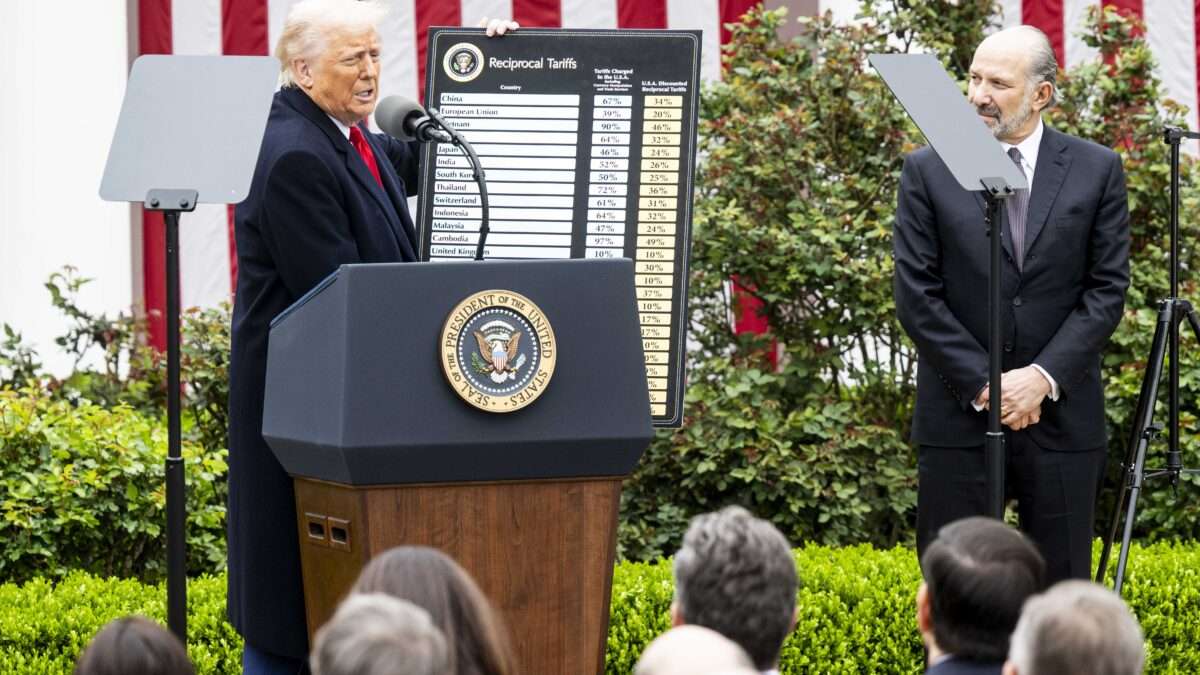
The bipartisan bill to impose tougher sanctions on Russia has gained traction in the U.S. Senate [1]. However, there are growing concerns about how the legislation grants additional authority to the president regarding tariffs. This issue has created a significant obstacle for the bill's progress.
Senator Graham was known for his efforts to address Russian aggression and influence over Ukraine. His bill seeks to strengthen sanctions against Russia in response to alleged violations of international law [2]. The inclusion of new tariff powers raises questions about potential conflicts with existing trade policies, particularly as they relate to President Trump’s ongoing tariffs on various imports.
The debate over the bill's provisions has highlighted tensions within Congress regarding how to balance national security concerns with economic interests. Some senators argue that any increase in sanctions should be accompanied by measures to mitigate their negative impacts on American businesses and consumers [1]. Others are more focused on addressing Russia's actions without additional tariffs, which could complicate efforts to resolve the situation diplomatically.
The bill's supporters hope to overcome these obstacles through further negotiations and amendments. However, its future remains uncertain as it navigates through a contentious legislative process.